

Revolutionizing HOA Management in Utah Starts With Facing the Numbers
Forget the old headaches of HOA management Utah communities have faced for years. Slow responses, unclear financials, scattered communication, and overloaded managers are real problems. But they are not always the root problem.
In many communities, the deeper issue is financial. Dues have been kept too low. Reserve studies have been ignored. Maintenance has been delayed. Boards have not been given clear guidance. Homeowners have not been told the truth early enough.
The goal is not higher dues. The goal is honest dues.
HOA Love’s mission is to help communities move away from crisis management and toward responsible planning. That means using technology, AI-supported workflows, financial transparency, reserve funding guidance, preventative maintenance planning, and board education to help communities make better decisions before problems become expensive.
For board members who want to talk through their community’s financial health, reserve funding, or management needs, start with the HOA Love contact page.

Financially healthy communities start with honest budgets, realistic dues, and serious reserve planning.
Technology Should Support HOA Management, Not Distract From the Real Problems
Technology can absolutely improve HOA management. Online portals, digital records, owner communication tools, task tracking, and AI-supported workflows can help boards and managers stay organized.
But technology is not the mission. A portal does not fix an underfunded reserve account. A dashboard does not replace a realistic budget. A work order system does not solve years of deferred maintenance if the board has no funding plan.
The right technology helps reveal the truth, track the work, and support better decisions. The wrong technology becomes another shiny feature that looks impressive while the community keeps drifting toward the next special assessment.
AI handles tracking. People handle judgment. Boards make decisions.
AI-Supported HOA Operations
AI-supported HOA management can help organize requests, route communication, monitor recurring tasks, summarize activity, and reduce dropped balls. This gives managers and boards better visibility into what is happening across the community.
At HOA Love, AI is not used to replace people or board authority. It is used to support follow-up, improve consistency, and help communities move from scattered communication to structured management.
Better Communication Without Pretending Communication Is the Whole Job
Strong communication matters. Homeowners should know where to go for help. Boards should understand what is being handled. Managers should track issues clearly.
But good communication is not enough if the underlying financial plan is broken. A management company can answer emails quickly and still fail the community if no one is warning the board about dues, reserves, insurance pressure, deferred maintenance, or major repairs.
Financial Transparency Boards Can Actually Use
Real-time access to information is helpful, but financial transparency is more than seeing numbers on a screen. Board members need to understand what those numbers mean.
A financially transparent HOA management company should help boards see operating costs, reserve contributions, unpaid bills, vendor expenses, insurance increases, utility trends, maintenance needs, and future obligations clearly.
This is where many communities get hurt. Financial reports may be late, confusing, incomplete, or technically available but not explained. Boards are left guessing, and homeowners only learn the truth when dues jump or a special assessment is proposed.
What Financial Transparency Should Help Boards Answer
- Are current dues enough to cover actual operating expenses?
- Are reserve contributions aligned with the reserve study?
- Are vendor bills being paid on time?
- Are maintenance costs rising faster than the budget?
- Are insurance, utilities, landscaping, snow removal, and repairs being budgeted realistically?
- Is the association drifting toward a loan or special assessment?
Utah law recognizes the importance of reserve planning for both community associations and condominium associations. Board members can review Utah’s reserve analysis provisions for community associations under the Utah Community Association Act and for condominium associations under the Utah Condominium Ownership Act.
If a board cannot answer these financial questions, the community does not have meaningful transparency. It has paperwork.

Reserve studies help boards connect long-term maintenance needs with realistic funding decisions.
Reserve Funding Is Not Optional Decoration on a Balance Sheet
Reserve funds are one of the most important parts of long-term HOA financial health. They help associations prepare for major repairs and replacements such as roofs, siding, asphalt, concrete, fencing, mechanical systems, amenities, and other shared components.
A reserve study helps identify what needs to be repaired or replaced, when it may happen, and how much the association should be contributing. But the reserve study itself does not solve the problem.
A reserve study is only useful if the board funds it.
When communities ignore reserve funding, the cost does not disappear. It shows up later as a special assessment, loan, emergency repair, angry homeowners, or years of catch-up.
The Community Associations Institute’s reserve study and funding policy describes reserve studies as important budget planning tools for community associations. The Foundation for Community Association Research also provides homeowner education around assessments and how association funding supports ongoing community obligations.
Why Reserve Funding Matters in Utah HOAs
Utah communities face real maintenance pressures: weather, snow, freeze-thaw cycles, aging roofs, asphalt deterioration, concrete damage, insurance changes, and rising vendor costs. Boards need realistic funding plans that reflect actual community obligations.
HOA Love helps boards understand reserve funding needs, explain them in plain English, and connect those funding needs to honest dues planning.
Boards interested in deeper homeowner-focused reform can also read David Perdue’s article on HOA Reform.
Maintenance Planning Before Crisis Becomes the Strategy
Maintenance problems rarely become expensive overnight. Most of the time, the warning signs were there. The asphalt was cracking. The roof was aging. The irrigation system was failing. The sidewalks were shifting. The siding needed attention. The board knew something was coming, but the community did not have a plan.
Preventative maintenance planning helps communities catch small issues before they become expensive repairs. It also helps boards understand how maintenance connects to the budget and reserves.
What Preventative Maintenance Can Include
- Routine common area inspections
- Small repair tracking
- Vendor follow-up
- Seasonal maintenance coordination
- Sidewalk, asphalt, landscaping, irrigation, and exterior issue documentation
- Escalation of larger items for board review and budgeting
Deferred maintenance does not disappear. It gets more expensive. Better HOA management helps boards see maintenance issues early and connect them to responsible financial planning.
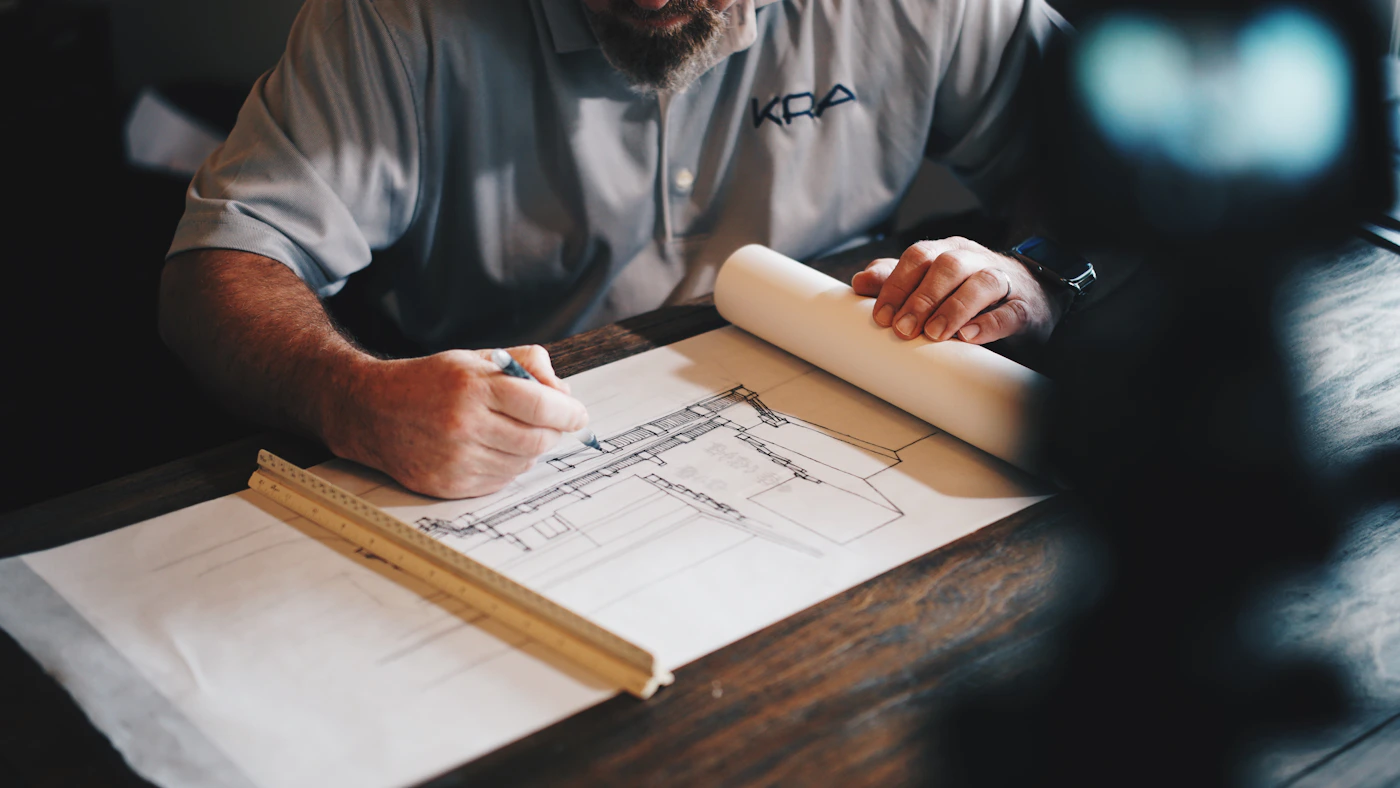
Preventative maintenance helps communities avoid the cost of waiting too long.
Board Education Is Part of Good HOA Management
HOA board members are volunteers. Most are not trained in HOA budgeting, reserve funding, vendor management, insurance, collections, maintenance planning, governing documents, or homeowner communication before they join the board.
That does not remove the responsibility, but it does mean boards need better guidance.
HOA Love believes board education should be part of HOA management. Boards should understand what they are approving, what risks they are delaying, what financial gaps exist, and how decisions today affect homeowners later.
Board Education Should Help With
- Understanding financial reports
- Reviewing budgets and dues
- Reading and using reserve studies
- Explaining dues increases to homeowners
- Understanding maintenance priorities
- Knowing when attorney, CPA, insurance, reserve, or financial professionals should be involved
- Setting realistic expectations for management services
Boards deserve guidance before they are blamed. Homeowners deserve the truth before the special assessment.
What Makes HOA Love Different
HOA Love is not trying to be the cheapest HOA management company in Utah. Cheap management can become very expensive when no one is watching reserves, dues, maintenance, insurance, and long-term financial risk.
HOA Love is built around a different model: financial discipline, honest dues, reserve funding guidance, preventative maintenance, AI-supported operations, financial transparency, and board education.
Honest Dues Planning
Helping boards understand whether assessments match the actual cost of operating and maintaining the community.
Reserve Funding Guidance
Helping boards connect reserve study recommendations to realistic funding conversations.
AI-Supported Operations
Using technology to improve tracking, follow-up, routing, recurring tasks, and visibility.
Board Education
Helping volunteer board members understand budgets, reserves, maintenance, and management expectations.
Frequently Asked Questions
What does modern HOA management mean?
Modern HOA management means using better systems, financial transparency, reserve planning, maintenance tracking, board education, and AI-supported operations to help communities make better decisions before crisis hits.
Why does HOA Love focus so much on dues and reserves?
Because many HOA problems are funding problems. If dues are too low and reserves are underfunded, the community eventually faces deferred maintenance, special assessments, loans, or emergency repairs.
Does AI replace HOA managers or boards?
No. AI supports tracking, routing, summaries, recurring tasks, and organization. People still provide judgment, and boards still make decisions.
Why are reserve studies important for HOAs?
Reserve studies help associations understand future repair and replacement needs. They are only useful if boards take the funding recommendations seriously.
When should an HOA review its financial health?
An HOA should review financial health before budget season, after receiving a reserve study, when maintenance costs rise, after insurance increases, during management transitions, or before a special assessment becomes unavoidable.
Would it be a bad idea to review your HOA’s financial health?
If your board is unsure whether dues, reserves, maintenance, and management support are aligned, that is exactly the conversation worth having before homeowners are forced into a larger one later.
Start the Conversation →