
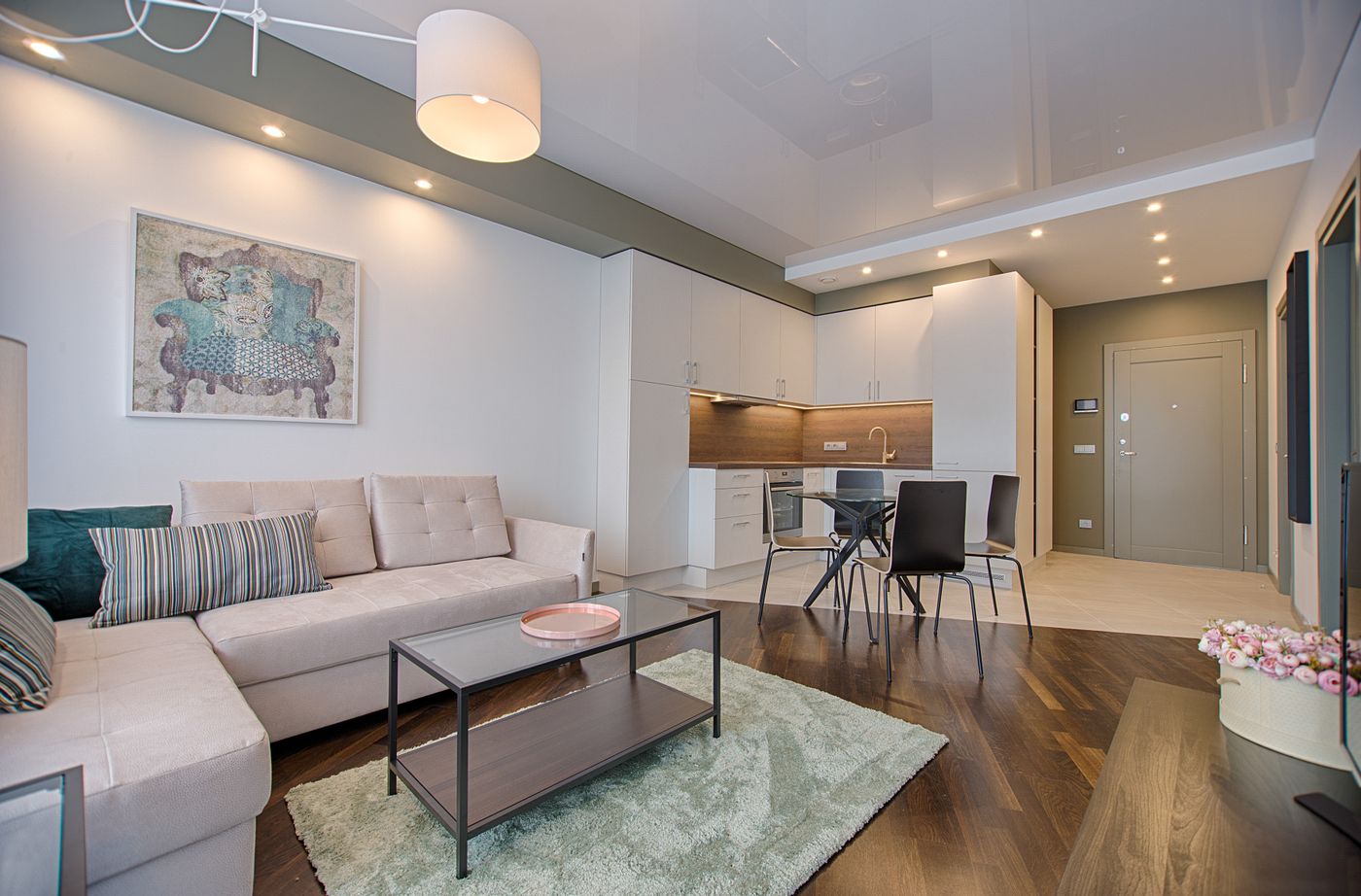
Why Community Still Matters in HOA Management
It is easy to reduce HOA management to accounting, violations, work orders, and board meetings. Those things matter, but they are not the whole picture.
An HOA is still a neighborhood. People live there. They walk the sidewalks, use the common areas, look at the landscaping, talk to their neighbors, read the notices, attend meetings, pay the dues, and feel the impact of board decisions.
When communication is poor, homeowners assume the worst. When rules feel random, homeowners push back. When no one explains why dues are changing, homeowners get angry. When maintenance slips, people stop feeling proud of where they live.
Strong communities are built when homeowners understand the plan, not when they are kept guessing.
HOA Love believes better HOA management should support both sides of the association: the operational side and the human side. That means better systems, better communication, better board education, and a better experience for homeowners.
Boards looking for management support can learn more about HOA Love’s HOA management services.
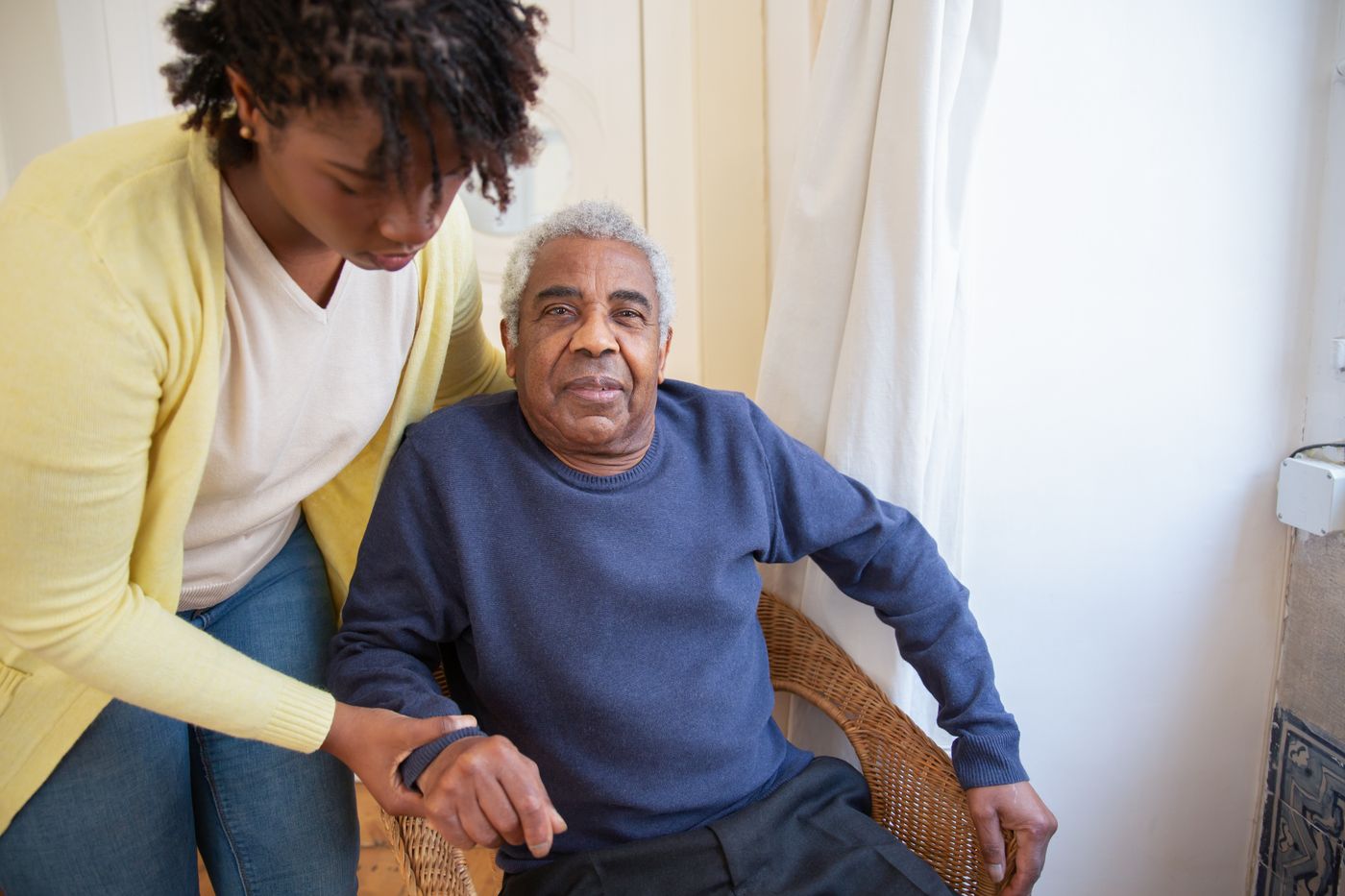
A healthier HOA starts with neighbors understanding what is happening in their own community.
Communication That Actually Reduces Conflict
Communication is one of the most common homeowner complaints in HOA communities. But “better communication” does not mean flooding inboxes with long emails that nobody reads.
Better communication means homeowners know where to find information, what the board is working on, how to submit requests, when updates are coming, and why decisions are being made.
Good HOA Communication Should Be
- Clear enough for homeowners who do not speak HOA for a living.
- Consistent enough that people know where to find updates.
- Timely enough that rumors do not fill the silence.
- Practical enough to explain what is changing and what homeowners need to do.
- Honest enough to explain hard decisions without hiding behind jargon.
This matters because silence creates stories. If homeowners do not hear from the board or management company, they will usually create their own explanation. And let’s be honest, that explanation is rarely generous.
Clear communication is not about saying more. It is about making people guess less.
Community trust grows when homeowners feel informed instead of surprised.
Homeowner Involvement Without Begging People to Volunteer
Many boards want more homeowner involvement, but asking people to “get involved” is usually too vague. Homeowners are busy. They may not know what help is needed, how much time it takes, or whether their involvement will actually matter.
The better approach is to create small, clear ways for homeowners to participate.
Practical Ways to Increase Involvement
- Invite homeowners to serve on short-term project committees.
- Create simple surveys before major community decisions.
- Use volunteer days for small beautification or cleanup projects.
- Ask for homeowner input before major rule or policy updates.
- Explain open board positions before election season, not after no one runs.
- Give homeowners clear instructions for submitting ideas, concerns, and maintenance issues.
Homeowners are more likely to participate when the request is specific. “We need two people to help review landscaping priorities this month” is much easier to respond to than “we need more volunteers.”
Utah State University Extension provides community development resources that can be helpful for thinking about resident involvement and local leadership. You can review those resources here: Utah State University Extension Community Development.
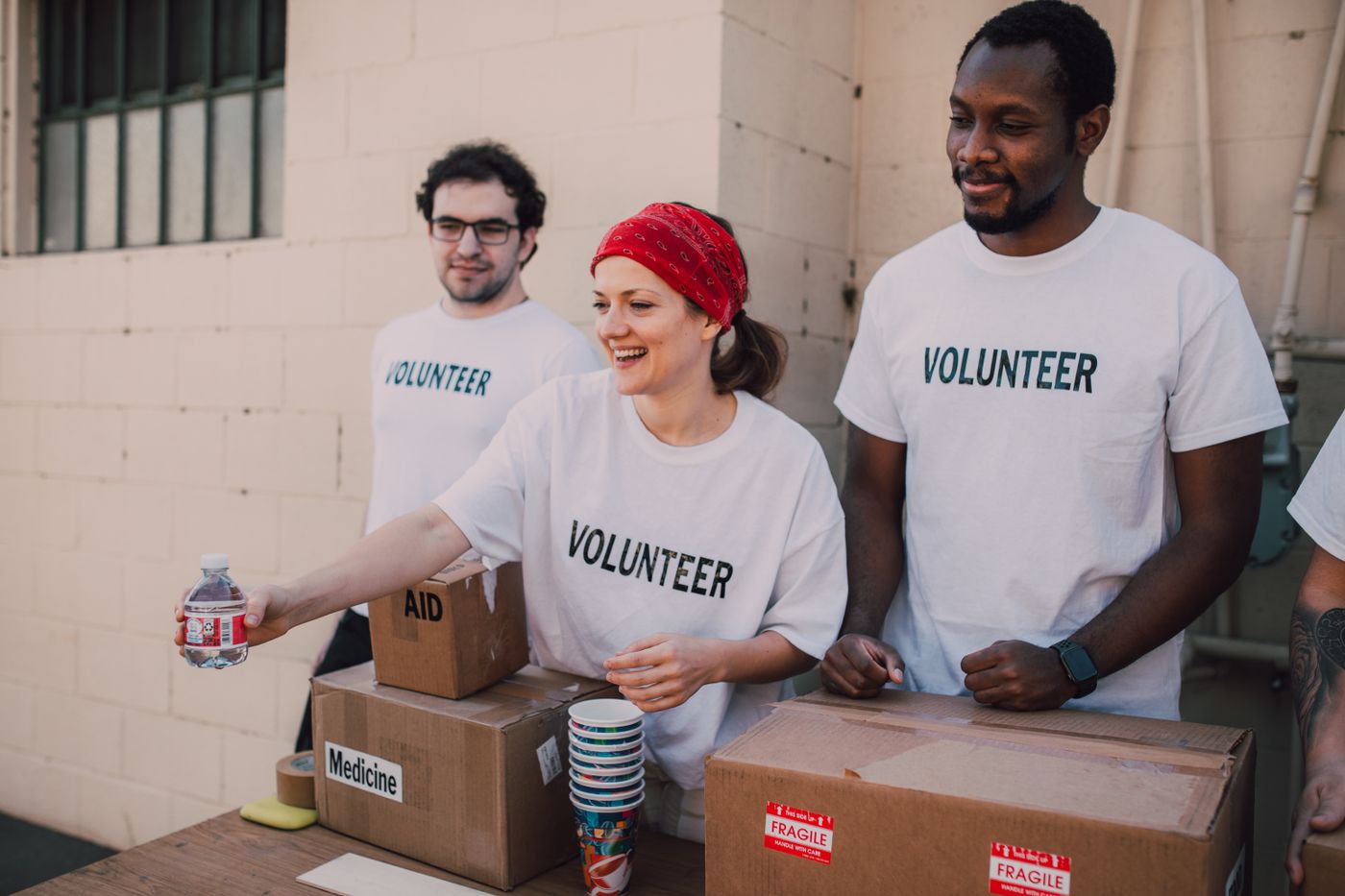
Homeowner involvement works best when the ask is clear, specific, and realistic.
Board Education Is Community Leadership
Board members are volunteers, but they are also community leaders. They are asked to make decisions about budgets, rules, maintenance, vendors, insurance, reserves, collections, communication, and long-term planning.
That is a lot to put on people who may have joined the board because no one else would run.
Better HOA management should help board members understand their role, their authority, their limits, and the impact of their decisions. A trained board communicates better, makes stronger decisions, and creates fewer surprises for homeowners.
Board Education Helps With
- Understanding governing documents and board authority.
- Setting realistic expectations for homeowners.
- Explaining dues, budgets, and community costs.
- Communicating rules without turning every issue into a fight.
- Knowing when attorney, CPA, insurance, reserve, or financial professionals should be involved.
- Running meetings with more confidence and less chaos.
Boards deserve guidance before they are blamed.
Homeowners also benefit when board members are educated. Decisions feel less random, communication improves, and the community gets a clearer sense that someone is actually steering the ship.
Curb Appeal Is More Than Looking Pretty
Community pride is not just emotional. It is visible.
Landscaping, lighting, sidewalks, signage, fencing, parking areas, amenities, and common areas all shape how homeowners feel about their neighborhood. When those areas are maintained, people notice. When they are ignored, people notice that too.
Curb appeal sends a message: this community is cared for.
Common Area Pride Can Include
- Consistent landscaping expectations and vendor follow-up.
- Seasonal cleanup and beautification projects.
- Common area inspections that identify small problems early.
- Clear communication about maintenance timelines.
- Homeowner education about maintenance responsibilities.
- Long-term planning for larger repairs and replacements.
Maintenance planning still matters here, but not only because of the numbers. It affects how people feel when they come home.
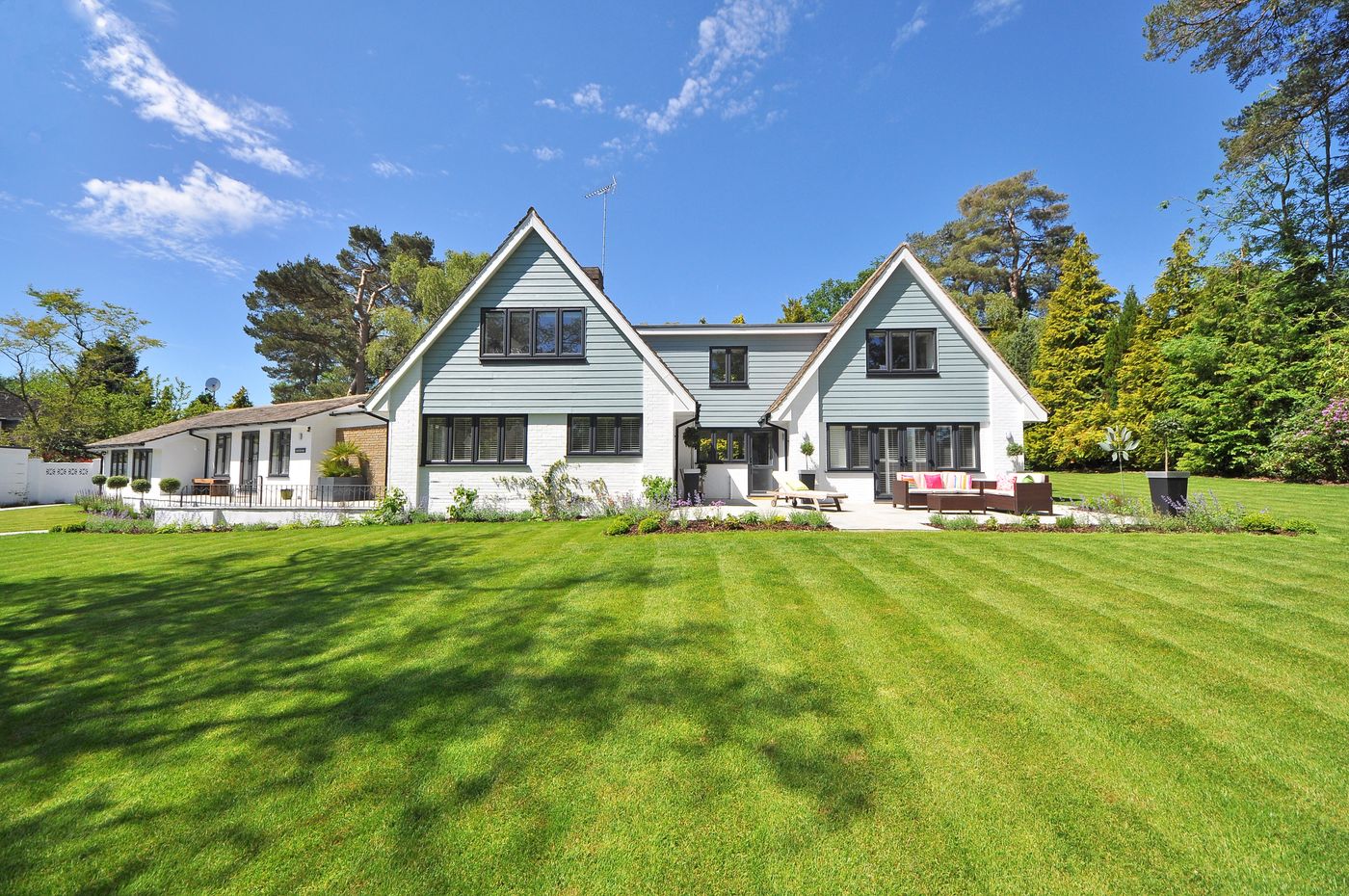
Curb appeal is one of the most visible ways homeowners experience community pride.
Events and Social Connection Still Have a Place
Community events are not the whole solution, but they can still be useful. A simple summer gathering, cleanup day, food truck night, holiday decoration contest, or meet-the-board event can help homeowners see each other as neighbors instead of usernames in a complaint thread.
The key is to keep events simple, realistic, and connected to the community’s actual culture. Not every HOA needs a full social calendar. Some communities just need a few low-pressure ways for people to meet, ask questions, and feel more connected.
Simple Community-Building Ideas
- Meet-the-board table before or after an annual meeting.
- Spring cleanup or common area beautification day.
- Food truck evening in a common parking area, where allowed.
- Holiday lights or front porch decorating recognition.
- New homeowner welcome email or simple digital welcome packet.
- Short homeowner education sessions on budgets, reserves, rules, or maintenance.
Events should support trust, not distract from management problems.
A barbecue will not fix broken financials, but connection does matter. People are more patient and more reasonable when they feel like they are part of a community instead of trapped in a billing system.
NeighborhoodWorks America offers resources focused on resident engagement, neighborhood leadership, and stronger communities. You can visit them here: NeighborhoodWorks America.
How Better HOA Management Supports Community Building
Better HOA management should support the board, the homeowners, and the long-term health of the community. That means the management company should help with more than task processing.
It should help create structure so homeowners know what to expect and board members are not left trying to manage everything alone.
Clear Communication
Helping boards communicate updates, decisions, deadlines, and expectations in plain English.
Homeowner Education
Helping residents understand how the HOA works, where their dues go, and how to submit requests.
Board Support
Helping volunteer board members understand their role, documents, meetings, budgets, and decisions.
Maintenance Follow-Up
Helping communities track common area issues so people see progress instead of silence.
Community Standards
Helping boards enforce expectations consistently without turning every violation into a neighborhood war.
Modern Systems
Using portals, workflows, and AI-supported tracking to reduce dropped balls and improve visibility.
HOA Love uses modern systems and AI-supported operations to help track requests, organize communication, support follow-up, and give boards better visibility. But the goal is not technology for the sake of technology.
AI handles tracking. People handle judgment. Boards make decisions.
The goal is a better-managed community where people understand what is happening and feel more confident that the association is being cared for.

Good management supports both the boardroom decisions and the homeowner experience.
Community Building Is Not a Side Quest
Some management companies treat community building as optional fluff. That is a mistake.
A community with poor communication, confused homeowners, burned-out board members, inconsistent expectations, and visible maintenance issues will struggle even if the accounting reports are technically correct.
The strongest communities usually have a few things in common: homeowners know where to go for information, the board understands its role, management follows through, rules are explained clearly, maintenance is visible, and people feel like the neighborhood is being looked after.
Good HOA management should make the community feel less confusing to live in.
That is the balance HOA Love is working toward: stronger operations, better communication, more educated boards, realistic planning, and communities homeowners can feel proud of.
Frequently Asked Questions
How can an HOA build a stronger community?
An HOA can build a stronger community through clear communication, homeowner education, board training, consistent expectations, common area care, practical volunteer opportunities, and simple ways for neighbors to connect.
Do HOA events actually help?
They can, when they are simple and realistic. Events will not fix poor management, but they can help neighbors meet, reduce tension, and create a stronger sense of community.
Why is communication so important in an HOA?
Communication helps reduce confusion, rumors, and homeowner frustration. When residents understand what is happening and why, they are more likely to trust the process.
How does board education help the community?
Educated board members make clearer decisions, communicate better, understand their authority, and are less likely to create confusion or conflict through inconsistent expectations.
How can HOA Love help with community building?
HOA Love helps Utah HOAs with communication, board education, homeowner support, maintenance coordination, modern systems, AI-supported tracking, and management structure that supports stronger communities.
Would it be a bad idea to talk about building a stronger HOA community?
Better community management is not just about reports and rules. It is about helping homeowners understand the association, supporting volunteer boards, improving communication, and creating a community people are proud to call home.
Start the Conversation →